
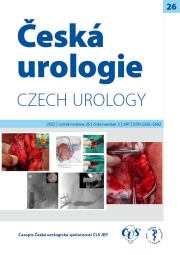
Česká urologie, 2022 (roč. 26), číslo 3
Editorial
Editorial
Ivan Minčík
Ces Urol 2022, 26(3):160-161 
Pred niekoľkými rokmi nikto z nás netušil, aké turbulentné obdobie zažijeme po roku 2020. Nielenže prišiel COVID-19, ktorý stále ohrozuje zdravie a životy ľudí na celom svete, no v súčasnosti všetci s obavami očakávame, čo prinesie hrozná vojna na Ukrajine a z nej plynúca energetická kríza, ktorá aktuálne nemá riešenie. Zloba, ktorá sa valí na Európu a zvyšok sveta z východu, je intenzívna a mení naše predstavy o pokojnom živote. V mnohých krajinách sa sústreďuje pozornosť na témy týkajúce sa zvýšenia výdavkov na zbrojenie, čo zákonite prinesie menej prostriedkov na zdravotnú starostlivosť. O najhorších scenároch tohto vývoja radšej pomlčím. Napriek...
Video
Retroperitoneoskopická roboticky asistovaná resekce tumoru ledviny - kazuistika
Václav Krejčí, Kamil Belej, František Chmelík, Jiří Heráček, Miroslav Záleský
Ces Urol 2022, 26(3):162-164
Krejčí V, Belej K, Chmelík F, Heráček J, Záleský M. Retroperitoneoskopická roboticky asistovaná resekce tumoru ledviny - kazuistika. Úvod: Retroperitoneoskopický přístup je výhodný z hlediska jeho minimální invazivity, naopak jeho nevýhodou je limitovaný prostor, který může činit vlastní operační preparaci a ošetření resekční plochy technicky náročnější. Materiál a metody: Ve videoprezentaci ukazujeme případ 57letého muže s abdominálním typem obezity (120 kg, BMI 40), u kterého byl na základě ultrasonografie a následného CT vyšetření diagnostikován tumor velikosti 6 cm při dorzální straně konvexity horního pólu pravé ledviny (RENAL score 9p). Tumor...
Přehledový článek
Aktuální pohled na roli imunoterapie v onkourologii
Jiřina Bartůňková, Zuzana Střížová, Daniel Smrž
Ces Urol 2022, 26(3):165-173 | DOI: 10.48095/cccu2022019
Bartůňková J, Střížová Z, Smrž D. Aktuální pohled na roli imunoterapie v onkourologii. Imunoterapie se stala nedílnou součástí komplexní léčby nádorů. V oblasti onkourologie podobně jako u jiných nádorů se imunoterapie posouvá do prvních linií léčby na základě dobíhajících klinických studií. Hlavními hráči v oblasti imunoterapie jsou tzv. inhibitory kontrolních bodů, checkpoint inhibitory, tedy monoklonální protilátky cílící nikoliv na nádorovou buňku, ale na okolní T lymfocyty. Tyto protilátky zablokují jejich regulační, tlumivé receptory, čímž převáží cytotoxická aktivita T lymfocytů. Nespecificita tohoto postupu vůči nádoru má však za důsledek řadu...
Intravezikální, radiofrekvencí indukovaná chemohypertermie v léčbě svalovinu neinfiltrujících nádorů močového měchýře
Jitka Kuncová
Ces Urol 2022, 26(3):174-185 | DOI: 10.48095/cccu2022020
Kuncová J. Intravezikální, radiofrekvencí indukovaná chemohypertermie v léčbě svalovinu neinfiltrujících nádorů močového měchýře. Intravezikální, radiofrekvencí indukovaná chemohypertermie Synergo® RITE patří mezi metody tzv. přístrojově asistované instilace vyvinuté ke zvýšení efektivity intravezikání chemoterapie v léčbě svalovinu neinfiltrujících nádorů močového měchýře. Léčba touto metodou je v současné době v České republice schválená jako standardní v přesně definovaných indikacích. V přehledovém článku jsou zmíněny mechanismy účinku termoterapie a radiofrekvenčního záření na nádorové tkáně. V textu jsou uvedeny základní informace o Synergo®...
Původní práce
Hodnocení bolestivosti transperineální biopsie prostaty v lokální anestezii
Jiří Stejskal, Vanda Adamcová, Roman Zachoval
Ces Urol 2022, 26(3):186-192 | DOI: 10.48095/cccu2022018
Stejskal J, Adamcová V, Zachoval R. Hodnocení bolestivosti transperineální biopsie prostaty v lokální anestezii. Cíl: Cílem práce je zhodnotit bolestivost transperineální biopsie prostaty (TPBxP) v lokální anestezii (LA) pomocí subjektivního hodnocení pacientů podstupujících výkon. Metody: Soubor obsahuje 55 pacientů, kteří podstoupili TPBxP v LA. Ve 26 případech se jednalo o první biopsii a ve 29 případech o opakovanou biopsii. V průměru bylo odebíráno 15 vzorků na pacienta (12-18). LA byla provedena pomocí 50 ml 1% mezokainu, premedikace perorálními či intravenózními analgetiky nebyla v našem souboru použita. Pacienti hodnotili bolestivost výkonu...
Substituční uretroplastika zadní penilní a bulbární uretry štěpem z bukální sliznice
Tomáš Ürge, Olga Dolejšová, Jiří Kouba, Milan Hora
Ces Urol 2022, 26(3):193-201 | DOI: 10.48095/cccu2022023
Ürge T, Dolejšová O, Kouba J, Hora M. Substituční uretroplastika zadní penilní a bulbární uretry štěpem z bukální sliznice. Úvod: Využití štěpu z bukální sliznice jsme začali používat v listopadu 2019 jako řešení recidivující striktury uretry mimo oblast anastomózy u pacientů po laparoskopické radikální prostatektomii (LRP) a následně jsme ji provedli též u striktur z jiných příčin. Soubor: Soubor čítá 14 mužů ve věku 66,7 ± 6,8 let, kteří měli recidivující strikturu zadní penilní až bulbární uretry Jordan D délky 18-73 mm (průměr 25 mm) dle uretrografie. Příčinou striktury byla instrumentace v uretře u 11/14 (78 %) nemocných. U jednoho nemocného...
Kazuistika
Náhodný záchyt Zinnerova syndromu u mladého muže
Adam Hudec
Ces Urol 2022, 26(3):202-205 | DOI: 10.48095/cccu2022022
Hudec A. Náhodný záchyt Zinnerova syndromu u mladého muže. Zinnerův syndrom je raritní vývojové onemocnění urogenitálního traktu složené z triády - ageneze ledviny, ipsilaterální obstrukce ductus ejaculatorius a cysty semenného váčku. Při diagnostice tohoto onemocnění využíváme magnetickou rezonanci a CT vyšetření malé pánve. Léčba symptomatických pacientů je založena na miniinvazivních chirurgických přístupech. Standardem léčby je transureterální resekce ejakulatorního duktu. Dále je nutné sledování renálních funkcí v souvislosti s možným rozvojem renální insuficience, u mladých mužů dále řešení možných problémů s fertilitou.
Informace
Zpráva z 37. výroční konference EAU v Amsterdamu
Adriena Bartoš Veselá, Jiří Kolář, Barbora Bendová
Ces Urol 2022, 26(3):208-212
Nekrolog
Nekrolog prof. MUDr. Ondřej Hes, Ph.D.
21. 7. 1968 – 1. 7. 2022
Michal Michal
Ces Urol 2022, 26(3):206-207
Úmrtí každého člověka je vždy velmi smutná událost, ale občas zemřou lidé, kteří jsou natolik výjimeční, že člověk pláče nejen nad ztrátou této osoby, ale i nad představou, o co vše je od teď svět ochuzen. Nejsmutnější je, když dojde k úmrtí takového člověka ve vašem blízkém okolí. Právě toto se mně a mým kolegům stalo minulý týden, kdy zcela náhle a předčasně, ve věku 54 let, zemřel náš milovaný kolega, prof. MUDr. Ondřej Hes...